
Quick answer: The main types of safety harness differ by the number of attachment points. A 1-point harness suits basic positioning tasks, a 2-point harness offers greater versatility for general work at height, and a 3-point harness distributes load across the body for demanding environments and rescue operations. Matching the harness to your task is the most important safety decision you’ll make before going to height.
Choosing the wrong harness for a job is a risk no worker or site manager should take. Each configuration is designed for a different set of conditions, and understanding those differences helps you stay protected and compliant.
HiteGear stocks a complete range of types of safety harness for every application, from straightforward ladder restraint to full rope access systems, all available for next-day delivery.
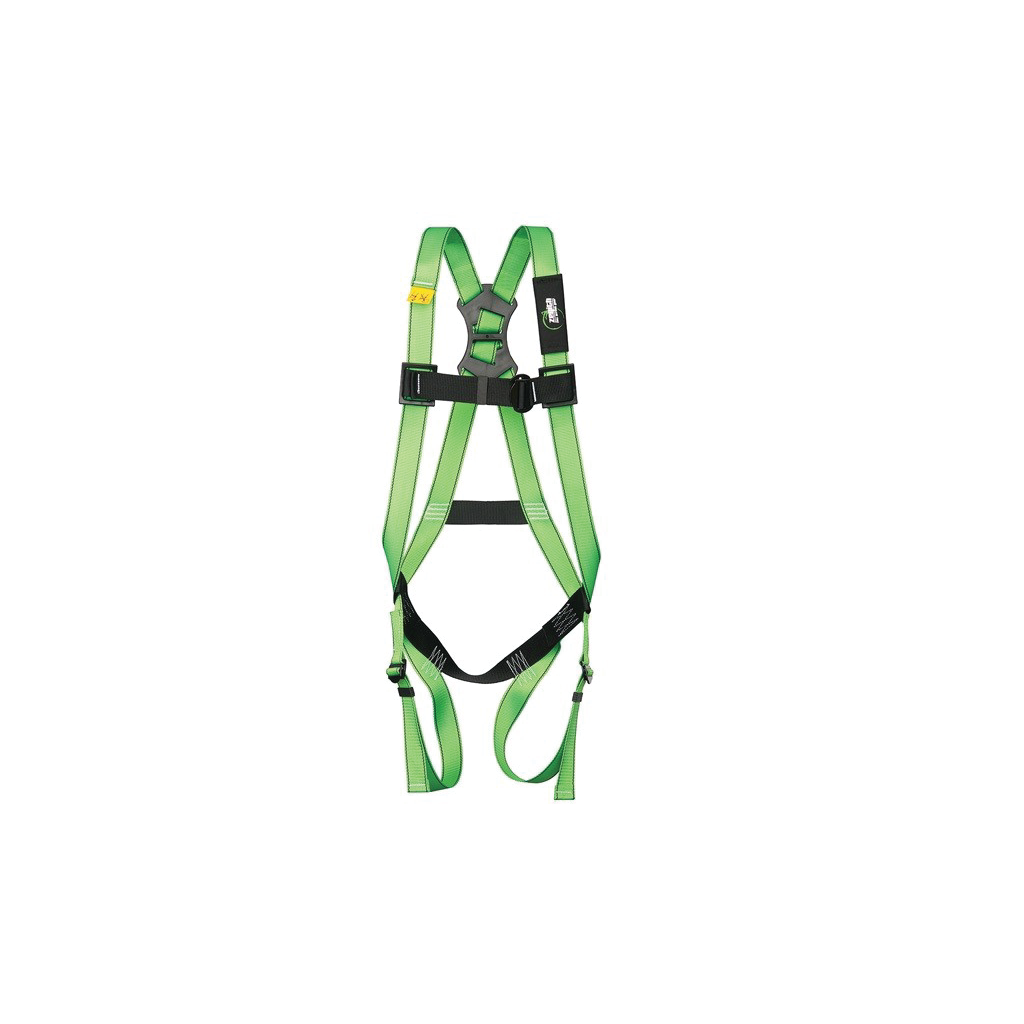
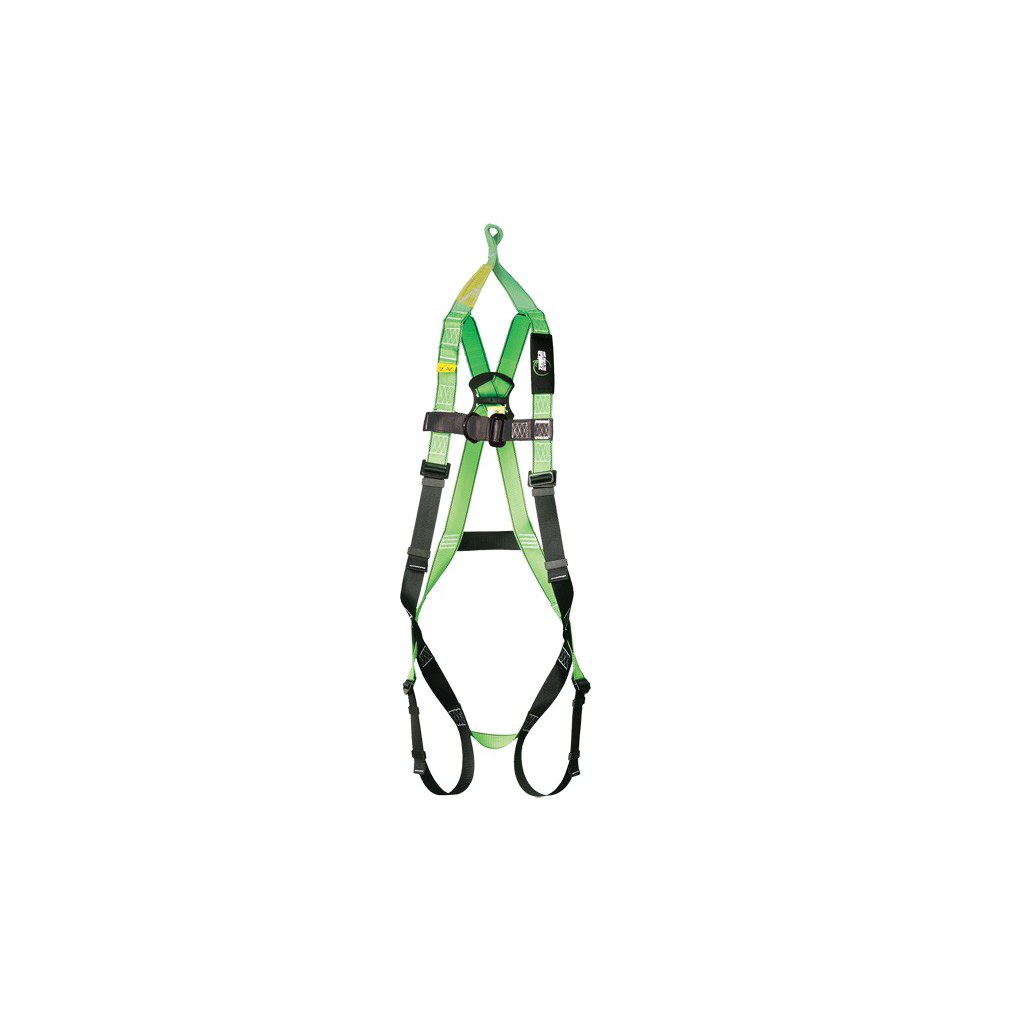
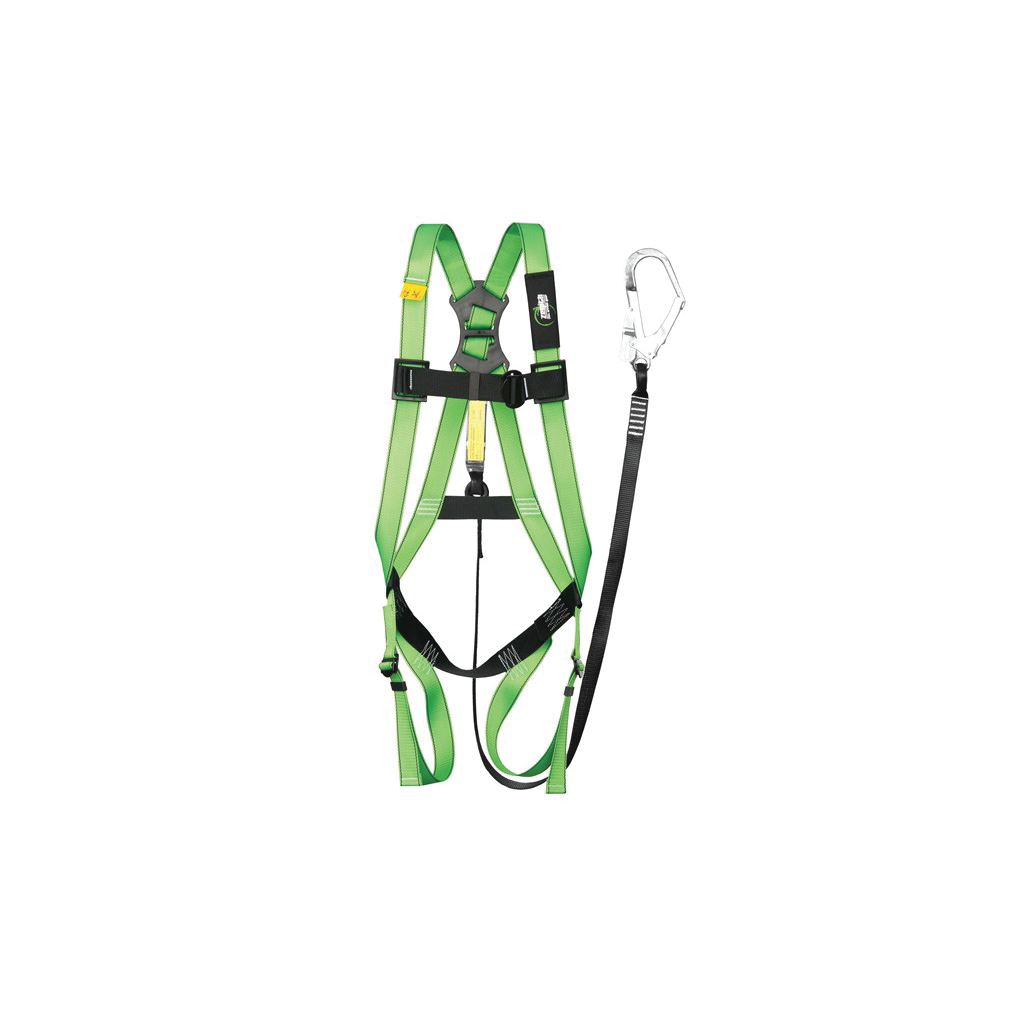
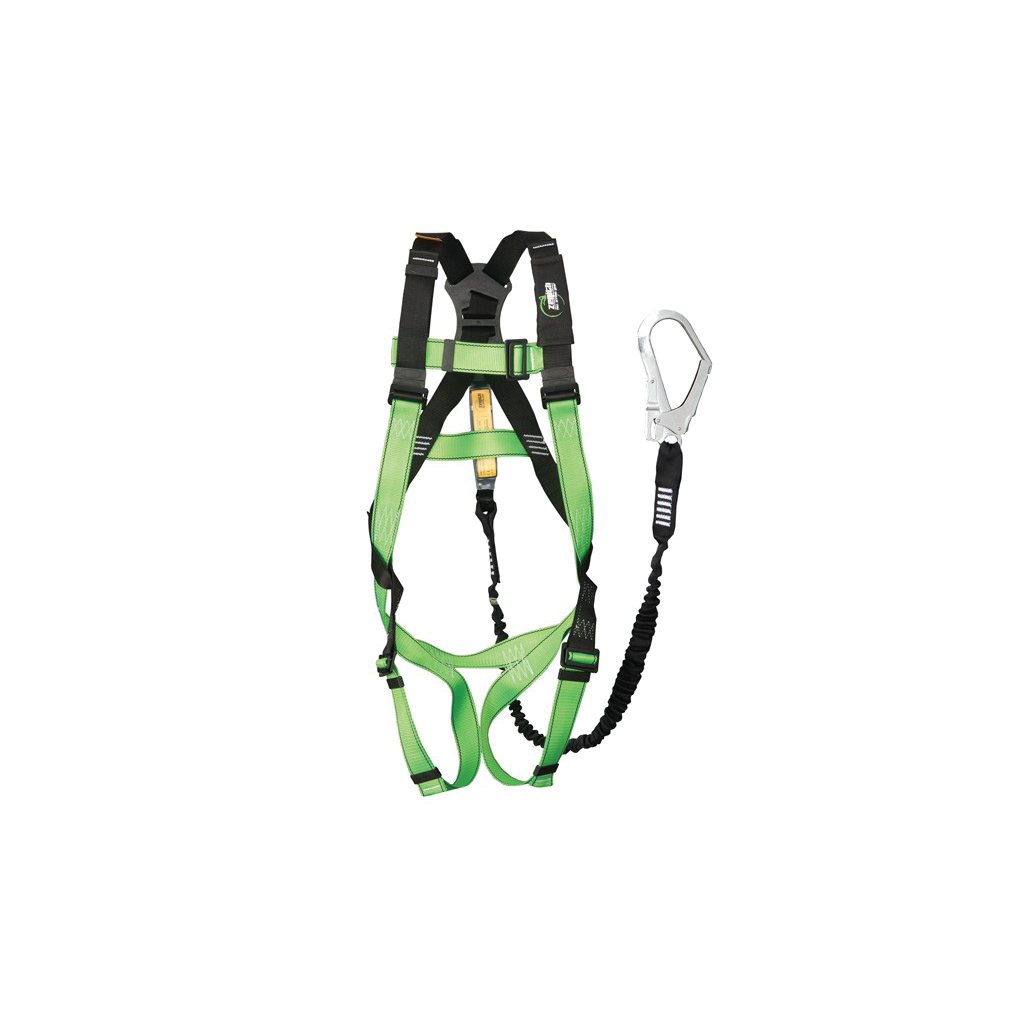
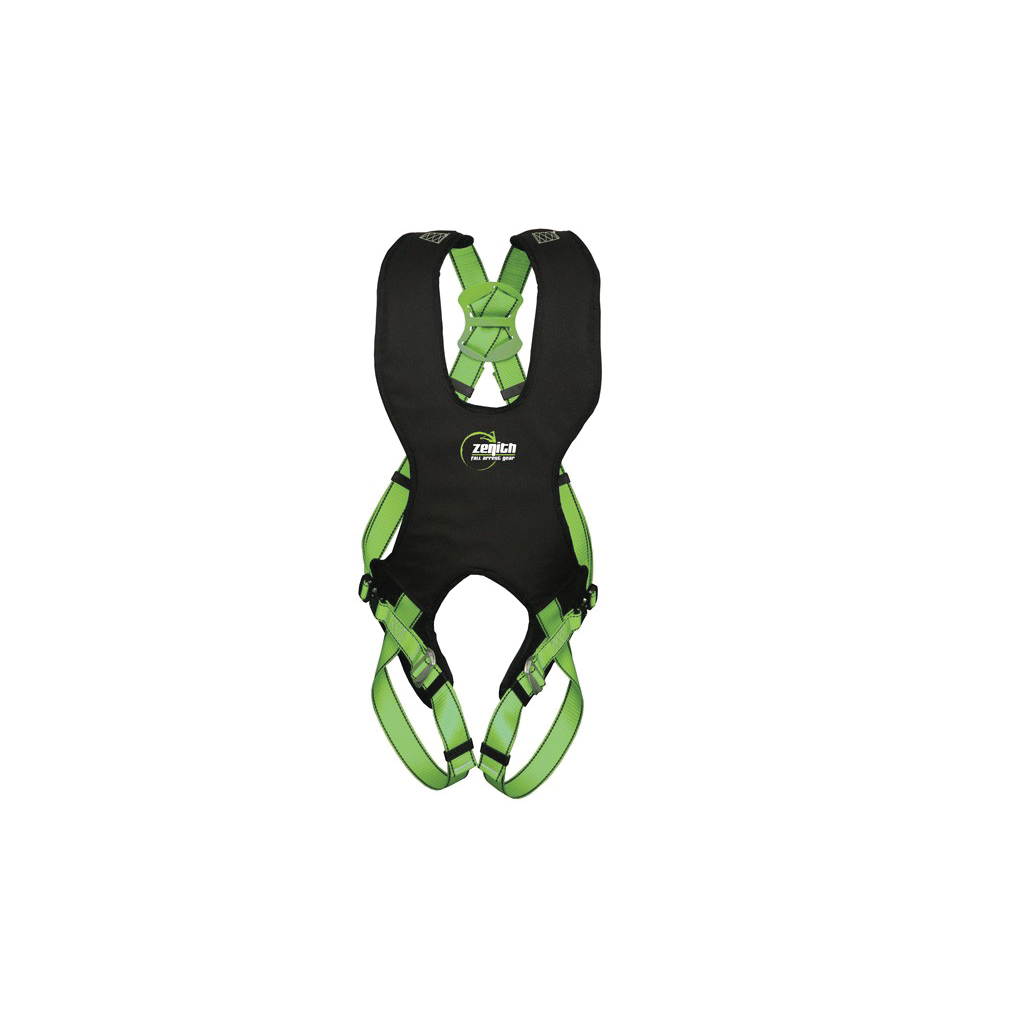
A 1-point harness features a single attachment point, typically positioned at the rear dorsal (back) of the harness. It connects to a lanyard or lifeline and forms the foundation of a basic fall-arrest system.
This configuration works well for workers who need freedom of movement but face a low-to-moderate fall risk, such as those on mobile elevated work platforms (MEWPs) or aerial tasks with a fixed anchorage directly overhead. The design is straightforward, lightweight, and generally the most affordable entry point into personal fall protection.
Where 1-point harnesses fall short is in situations requiring rescue capability or prolonged suspension. With a single rear attachment point, the worker’s body position during a fall is harder to control, making evacuation more difficult.
A 2-point harness adds a front sternal (chest) attachment point to the rear dorsal connection. That second point changes what the harness can do substantially.
Workers gain the ability to connect to two separate anchor systems simultaneously, which supports work-positioning as well as fall arrest. The front connection point also gives rescue teams a more accessible clip-in location, making assisted evacuation faster and safer. Scaffolders, roofers, and workers on sloped surfaces tend to favour 2-point systems for this reason.
The additional attachment point also helps maintain a more upright body position during a fall, which reduces the strain placed on any single point of the harness during arrest.
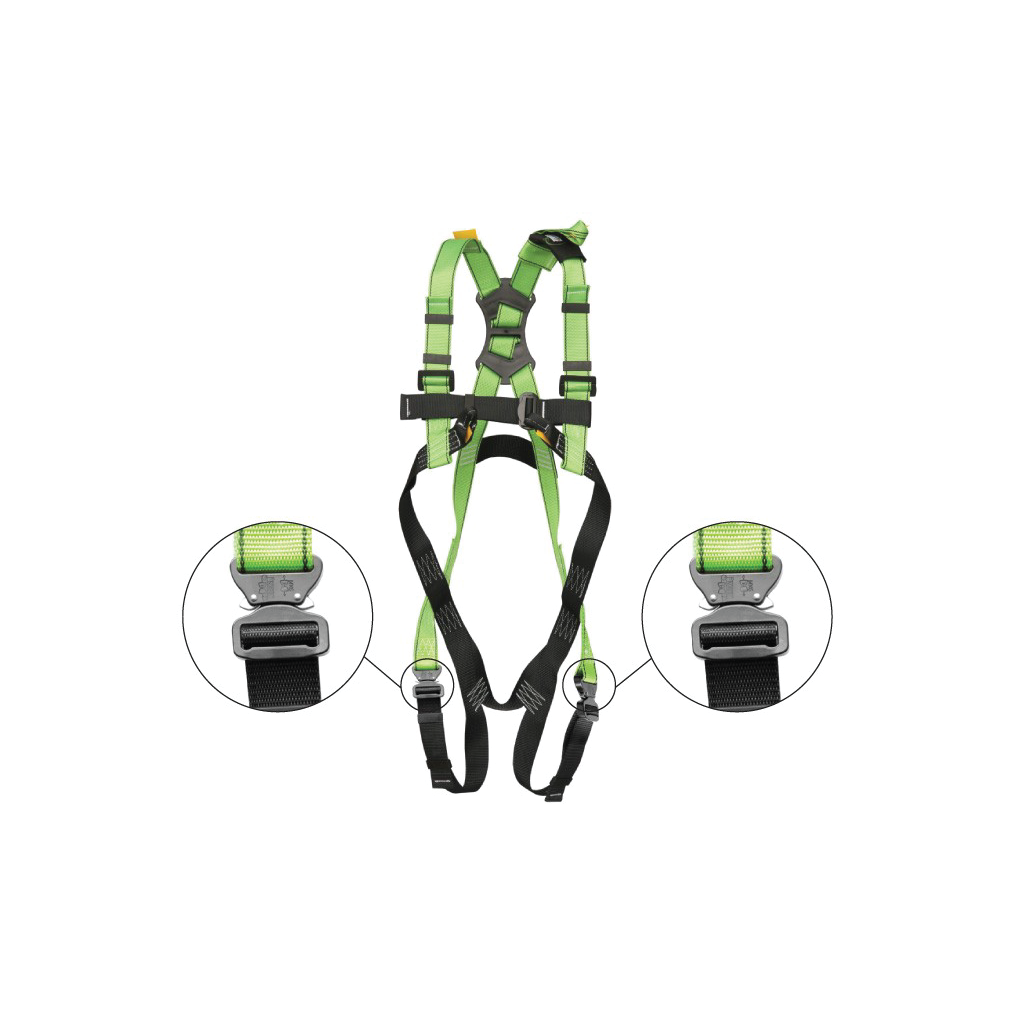
A 3-point harness incorporates three or more attachment points, commonly combining a dorsal rear point, a sternal front point, and an additional connection — such as a sub-pelvic or abdominal ring. This configuration distributes arrest forces across a wider area of the body, which matters most when a worker is likely to remain suspended for any length of time after a fall.
Rescue and confined space operations are the primary use case. When a worker needs to be raised or lowered through a restricted space, or when suspension trauma becomes a real concern during a delayed evacuation, the 3-point configuration keeps the body in a more stable, upright position and allows rescuers to manage the worker safely.
High-risk environments such as wind turbines, industrial towers, or deep excavations — where rescue response times are longer — are exactly the conditions that justify the added complexity and cost of a 3-point system.
Start with the task itself. Ask what attachment points your anchorage system supports, whether rescue is part of the plan, and how long you may remain at height or suspended. From there, narrow down by comfort and fit, since a harness worn incorrectly provides far less protection than one adjusted properly.
Regular inspection matters just as much as selection. The Work at Height Regulations 2005 require that all personal fall protection equipment is checked before use and formally inspected by a competent person at intervals appropriate to the working conditions.
HiteGear’s team can advise on the right harness for your specific application. Browse the full fall protection range, or get in touch for a tailored recommendation.
Each of the main types of safety harness serves a distinct purpose. A 1-point system covers basic fall arrest, a 2-point system adds versatility and rescue access, and a 3-point system handles the most demanding suspension and rescue scenarios.
Getting that match right before work begins is what keeps workers safe and sites compliant.